Maximizing Safety And Longevity: Quick Tips For Fifth Wheel Maintenance
Meta Description: Essential maintenance tips for fleet operators to extend the lifespan of their Fifth Wheel and ensure compliance with critical safety standards.
The Fifth Wheel is a high-stress component that requires regular attention to perform safely and efficiently. Fleet managers and owner-operators can maximize the longevity and safety of their truck couplings by adhering to a few simple maintenance principles.
Regular lubrication is paramount. Due to the high friction and pivoting motion, the top plate and jaw mechanisms require frequent, adequate greasing. Failure to maintain proper lubrication leads to rapid wear on both the Fifth Wheel and the trailer’s kingpin, compromising safety and stability.
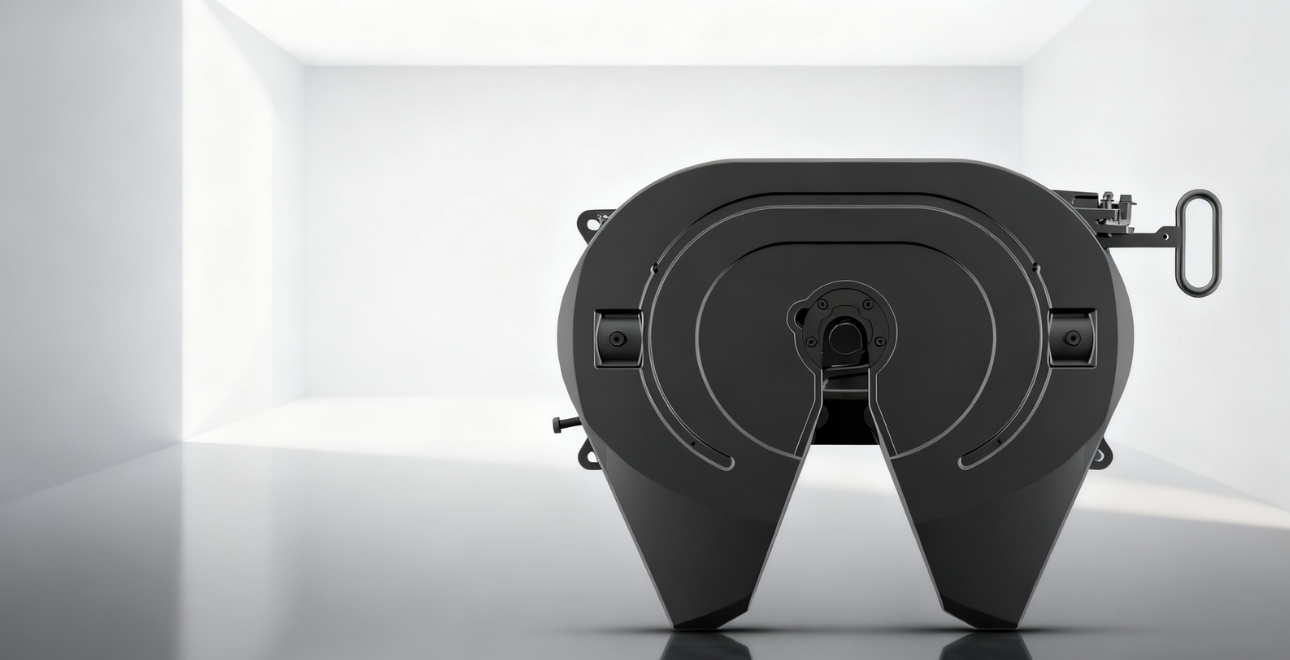
Key Maintenance Checks Should Include:
Checking the Locking Mechanism: Visually inspect the jaws for damage and ensure the locking handle fully engages and secures the kingpin without excessive play or slack. Any significant looseness indicates wear and requires immediate adjustment or component replacement to meet safety standards.
Inspect Mounting Bolts: The bolts securing the Fifth Wheel to the tractor frame are subjected to extreme forces. They must be checked regularly for proper torque to prevent shifting, which could lead to structural failure.
Visual Inspection for Cracks: Routinely look for stress cracks around the coupling jaws, mounting areas, and the top plate, especially on high-mileage units. Cracks are often the first sign of metal fatigue and require the component to be immediately retired from service.
Simple, consistent maintenance of the Fifth Wheel is not just about extending the life of the part; it is a critical investment in the safety of the vehicle, cargo, and the driver.