How To Choose A High-Performance Fifth Wheel Top Plate For Heavy-Duty Fleet Safety
In the world of heavy-duty transportation, the Fifth Wheel Top Plate serves as the critical link between the tractor and the trailer. As the primary component bearing the vertical load and pivoting forces, its structural integrity is non-negotiable. For fleet managers and trailer manufacturers, selecting a top plate that balances durability with precision engineering is the key to operational safety.
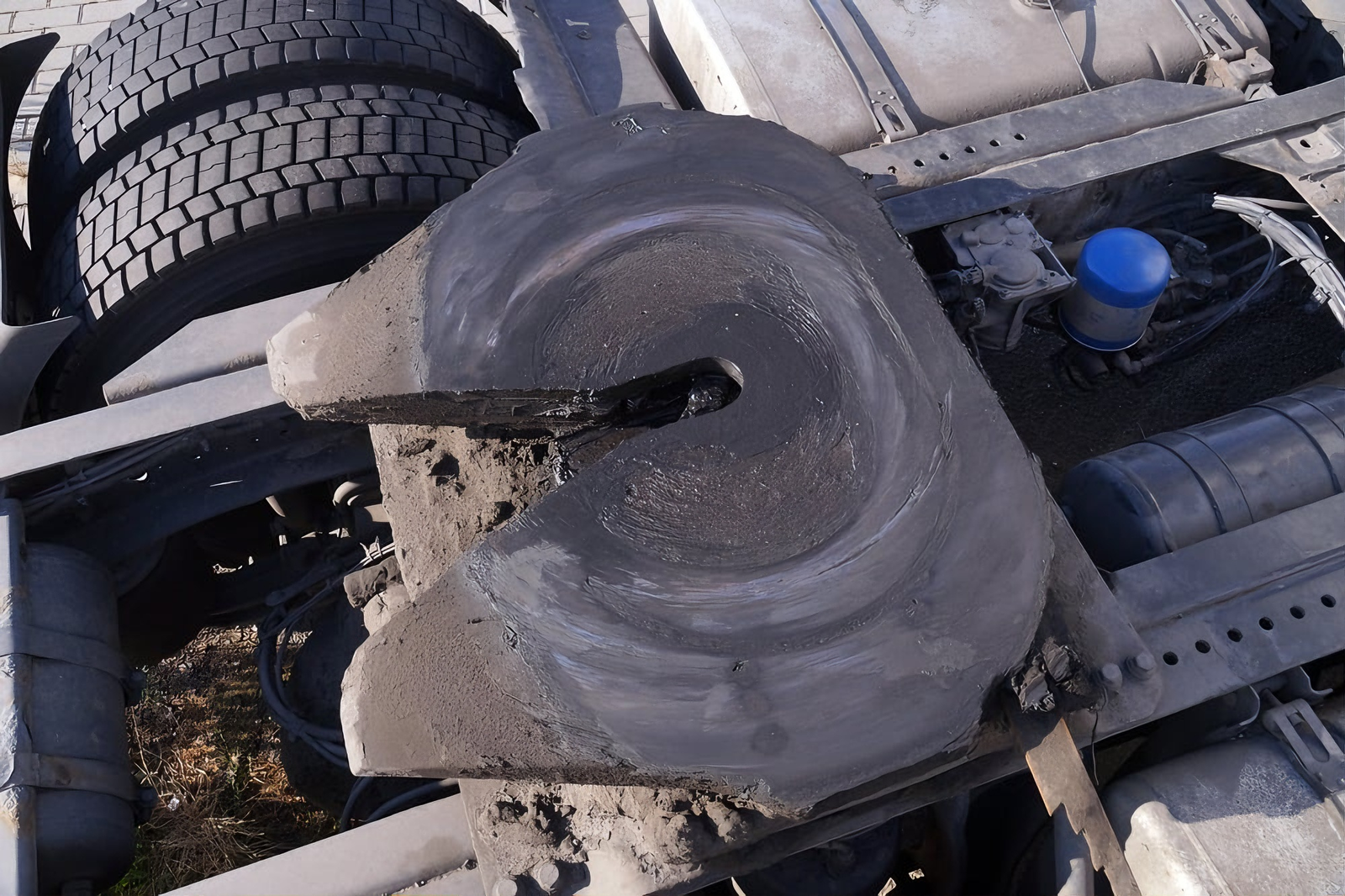
The Evolution Of Fabricated Fifth Wheel Top Plates
Traditionally, cast iron dominated the market. However, modern fabricated fifth wheel top plates—manufactured through advanced heavy-duty stamping and robotic welding—have gained massive popularity. These components offer a superior strength-to-weight ratio. By utilizing high-tensile steel (such as Q355B or specialized wear-resistant alloys), manufacturers can reduce the vehicle's deadweight while maintaining a vertical load capacity often exceeding 20-30 tons.
Technical Specifications To Consider
When sourcing a Fifth Wheel Top Plate, professional buyers focus on three critical technical aspects:
Material Composition: Look for high-strength steel that undergoes rigorous heat treatment to prevent deformation under extreme stress.
Welding Precision: For fabricated models, robotic CO2 shielding welding ensures deep penetration and zero-defect seams, which is vital for long-term fatigue resistance.
Surface Treatment: A high-quality E-coating or zinc-rich primer is essential to withstand harsh road salts and prevent corrosion.
Why Precision Stamping Matters
A top-tier Fifth Wheel Top Plate requires exact geometry to ensure a secure lock with the kingpin. Advanced laser cutting and large-scale hydraulic stamping guarantee that the plate's flatness remains within a tolerance of less than 1.0mm. This precision minimizes friction on the wear plates and extends the service life of the entire hitch assembly.
Maintenance And Safety Standards
Safety compliance is the backbone of the trucking industry. High-quality top plates must meet international standards such as ISO 3842 or ADR certification. Regular inspection of the locking jaw and the surface of the top plate for cracks or excessive wear is mandatory to prevent accidental decoupling.